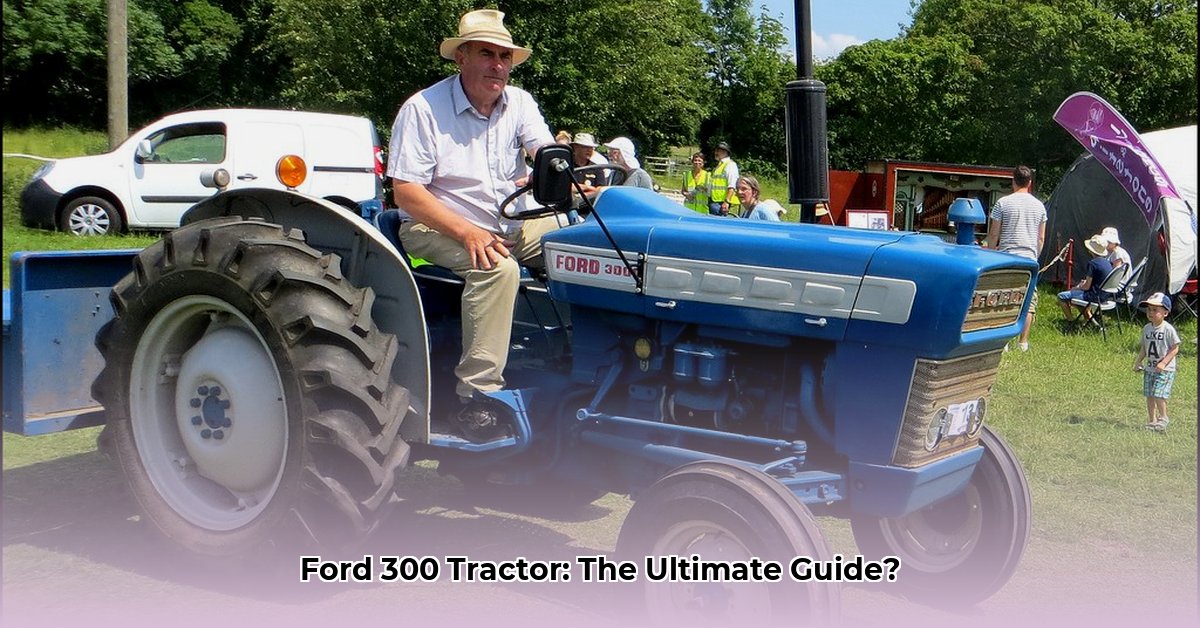
The Ford 300 tractor: a timeless symbol of agricultural dependability and enduring charm. Built between 1965 and 1981, this classic machine continues to command attention from farmers and collectors alike. Its robust design and relatively straightforward mechanics make it a popular choice, but navigating the market requires careful consideration. This comprehensive guide equips you with the knowledge to make an informed decision, whether you’re a seasoned professional or a budding enthusiast. For more information on Ford tractors, check out this helpful resource: Ford Tractor History.
History and Specifications
The Ford 300 wasn't a single model but a family of tractors, each with unique characteristics influenced by its production year and intended use. Key differentiators include engine type (gasoline or diesel), PTO (power take-off) speed (540 or 1000 RPM), and even manufacturing location—all subtly encoded within its serial number prefix. Understanding these variations is crucial for accurate valuation and performance assessment. Horsepower ratings, while typically cited between 35 and 47 horsepower, exhibit some variability due to different testing methodologies employed over the years as well as engine revisions and reporting inconsistencies.
Market Analysis: Price and Value
The market for used Ford 300 tractors is surprisingly active. Prices range widely, from approximately $2,900 to over $8,000, influenced by several key factors:
- Condition: A meticulously restored tractor in excellent condition will command a significantly higher price than one showing significant wear and tear.
- Hours of Operation: Lower operating hours are highly desirable, indicating less wear and potential longevity.
- Location: Regional market demand significantly impacts pricing. A tractor in high demand in a rural farming community commands much more than a similar one in an urban area.
- Included Attachments: The presence of valuable attachments, such as a front-end loader or other implements, adds considerable value.
Is the price of a Ford 300 influenced more by its condition or its location? While both are important, condition arguably plays a more significant role in determining its perceived worth.
Buyer's Guide: Inspecting a Used Ford 300
Purchasing a used tractor requires a meticulous inspection process. This step is critical in identifying potential issues and establishing a fair purchase price.
Step-by-Step Inspection Checklist:
Hydraulic System: Inspect for leaks (a sure sign of potentially expensive problems). Thoroughly test the lift arms for smooth, powerful operation. Any sluggishness or failure to lift properly indicates serious mechanical issues.
Engine: Listen attentively for any unusual noises such as knocking, rattling, or whining—all suggesting potential internal damage. Check the oil level and condition; low oil or discolored oil indicates significant problems. Also inspect the cooling system carefully for any leaks or signs of corrosion.
Transmission: Test every gear thoroughly for smooth shifting. Grinding or difficulty shifting immediately suggests transmission problems, which are costly to repair.
Electrical System: Ensure all lights, gauges, and other electrical components are functioning correctly. Worn or damaged wiring is dangerous and requires immediate attention.
Tires and Wheels: Check tires for uneven wear, cracks, or other damage. Inspect the wheels for bends, rust, or misalignment. These are costly to replace.
Service Records: If available, thoroughly review all service records. This provides valuable insight into maintenance history and any past repairs. This is crucial for determining the overall health and trustworthiness of the tractor.
Overall Condition: Conduct a detailed assessment of the tractor's overall condition, noting any rust, dents, or damage. Estimate the cost of any necessary repair work.
Did you know that a complete engine overhaul on a Ford 300 can cost several thousand dollars? Prevention through diligent maintenance is key.
Parts Availability and Costs
Parts availability for the Ford 300 is generally good, though some parts may require more extensive searching. Online tractor part suppliers, local agricultural equipment dealers, and salvage yards represent your best sources for parts. Always anticipate the potential cost of replacement parts and factor this cost into your budget.
Investing in a Ford 300: Long-Term Ownership
Owning a Ford 300 is a long-term commitment requiring regular maintenance to ensure its longevity and prevent costly repairs. Routine maintenance, including oil changes, filter replacements, and fluid checks, is essential. If restoration is planned, acknowledge the significant time, skill, and financial investment required.
Conclusion
The Ford 300 remains a desirable classic tractor, offering a blend of rugged reliability and nostalgic charm. By carefully assessing its condition, researching market prices, and conducting a thorough pre-purchase inspection, you can ensure a rewarding ownership experience. Careful planning and attention to detail are vital in securing a dependable and valuable machine for years to come.